

The official process matters
VicRoads states that a vehicle buyer in Victoria needs to complete the transfer process after purchase. For a registered used vehicle, a roadworthy certificate is generally required unless an exemption applies, and VicRoads describes the certificate as valid for 30 days.
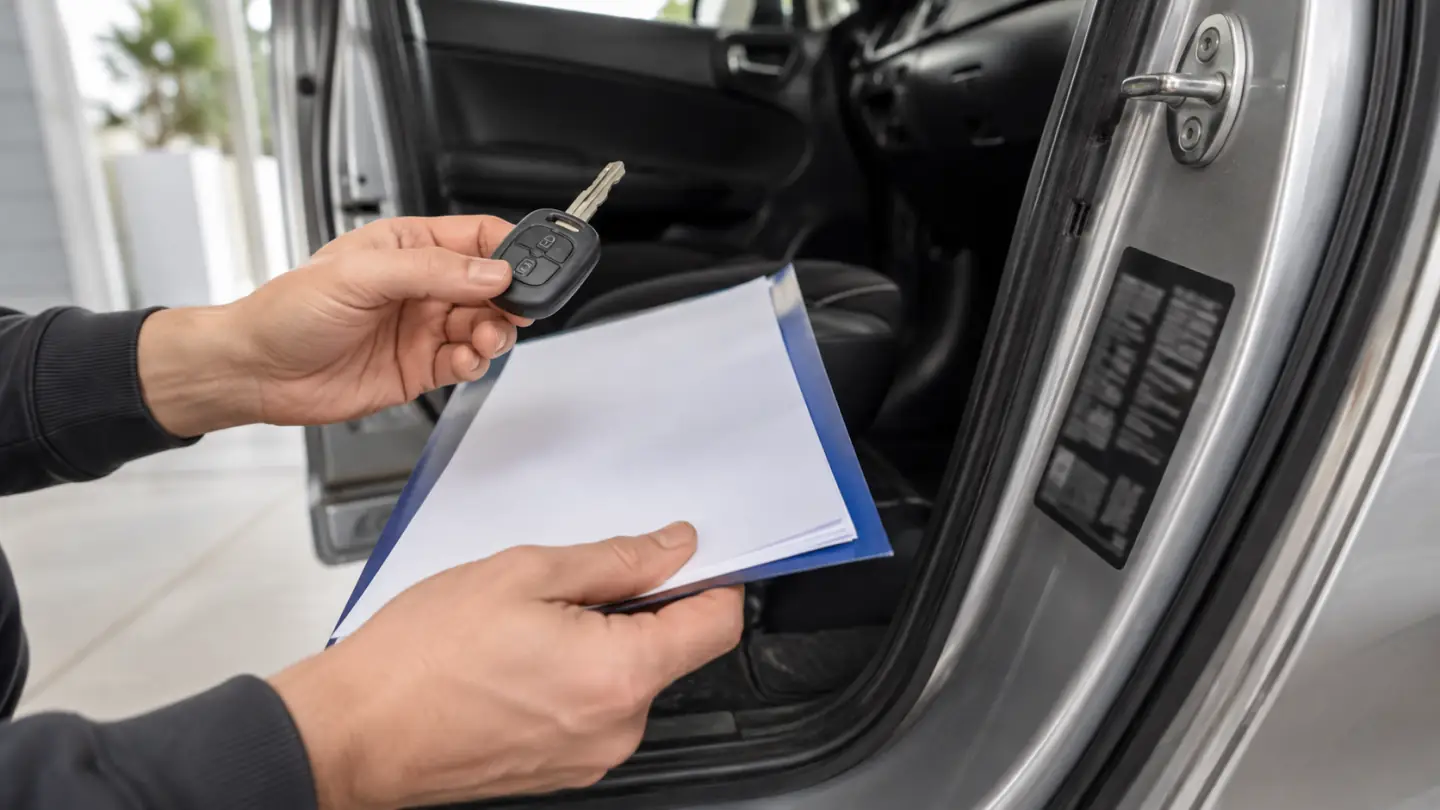
Keep a complete record
The buyer and seller should retain the relevant transfer information and a receipt showing the parties, vehicle, date and time of sale. Confirm the VIN and registration details before money changes hands.
Roadworthy does not mean mechanically perfect
VicRoads specifically distinguishes roadworthiness from mechanical reliability. Buyers can still arrange an independent inspection and review the service history before committing.
This article is general information, checked against the VicRoads buying and transfer pages in September 2026. Always use the current VicRoads instructions for a transaction.
Prepare before collection day
Match the VIN, registration and seller details across the vehicle, contract and transfer information. Confirm whether a roadworthy certificate is required and whether its issue date fits the transaction. Keep a receipt that identifies the parties, vehicle, price and date and time of sale, plus copies of the relevant transfer records.
Do not leave the online step until later
Follow the current VicRoads instructions for buyer and seller notifications and retain confirmation. If the online process cannot be completed, resolve the reason rather than assuming the transfer will happen automatically. Requirements can vary for unregistered vehicles, deceased estates, interstate vehicles and other circumstances.
Separate paperwork from condition
A completed transfer and roadworthy certificate do not establish the vehicle's maintenance quality or future reliability. Registration, PPSR, identity, contract, roadworthy and mechanical checks answer different questions. A sound purchase process uses each for its intended purpose.