
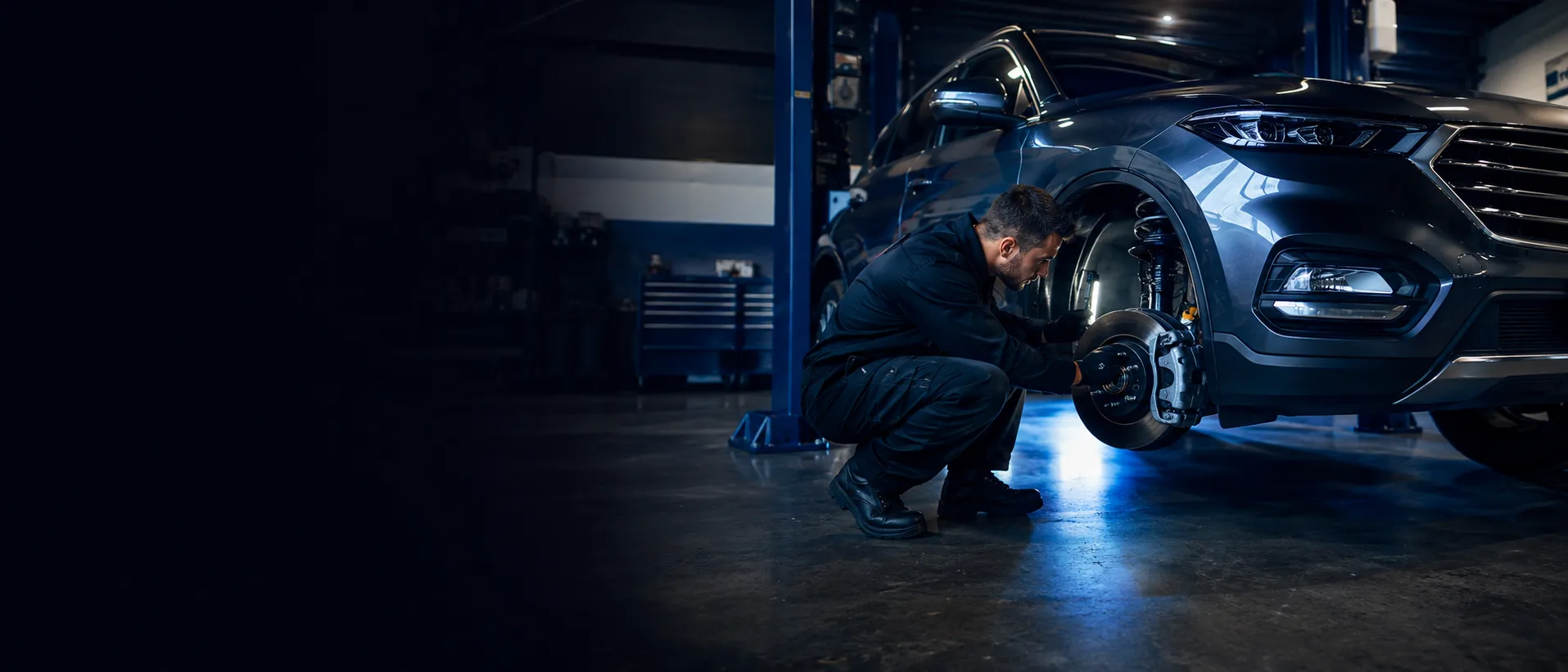
A calm, repeatable test-drive routine covering comfort, controls, steering, braking and road behaviour.
Before moving
Adjust the seat, mirrors and steering wheel. Confirm that visibility, pedal reach and control layout suit you. With the ignition on, observe the warning lamps and check that they extinguish as expected after start-up. Test air conditioning, windows, cameras, parking sensors and infotainment while the car is stationary.
On suburban roads
Use light and moderate acceleration and note whether power delivery is smooth. The steering should track consistently without excessive vibration or pulling. Brake progressively in a safe location and listen for grinding, pulsing or clunks. Drive over ordinary surface changes to identify suspension noises.
At higher speed
Where legal and safe, assess wind noise, tyre noise, straight-line stability and transmission behaviour. Check cruise control or driver-assistance features only after the salesperson explains the controls. Assistance systems support the driver; they do not replace attention or safe driving.
Practical checks
- Park the car in a space similar to the one you use at home.
- Sit in every seating row and test child-seat access where relevant.
- Check boot opening, load height and whether your normal equipment fits.
- Repeat any behaviour that concerned you and ask for a factual explanation.
Record observations immediately and compare vehicles using the same route and checklist. A short drive cannot prove long-term reliability, so combine it with documentation and an independent inspection.
Ask for a cold start
Where practical, ask that the engine has not been warmed before you arrive. Starting behaviour, warning lights, idle quality, smoke and initial noises can differ once a vehicle is hot. Look underneath before and after the drive for fresh leaks, while recognising that clear water from air-conditioning drainage can be normal.
Make the route relevant to Melbourne
Include low-speed streets, a safe braking opportunity, rougher surfaces and a legal arterial or freeway section. On tram corridors, busy shopping strips and narrow streets, assess mirror coverage, blind spots and how confidently you can judge the vehicle's width. Try the reverse camera and sensors in a real parking manoeuvre without treating them as a substitute for looking around.
Record repeatable observations
Use the same route and headings for every shortlisted car: start-up, controls, steering, braking, ride, drivetrain, noise, visibility and parking. Note the conditions and any salesperson explanation. If a noise or warning cannot be reproduced or explained, arrange an independent inspection rather than letting the excitement of the drive close the question.