
A practical sequence for comparing, inspecting and documenting a used-car purchase in Victoria.
Start with the job the car must do
Write down your normal passenger load, weekly distance, parking constraints and the longest trip you regularly make. A compact hatchback can be easier to park and cheaper to run, while a larger SUV or ute may add space and capability at the cost of fuel, tyres and insurance. Set a total budget that includes registration, transfer costs, insurance and immediate maintenance rather than focusing only on the advertised price.
Verify the identity and history
Match the VIN on the vehicle with the registration information and the seller's documents. For a private purchase, the Australian Government PPSR recommends a vehicle search using the VIN. The certificate can show registered security interests and, when available through NEVDIS, stolen and written-off indicators. A PPSR result is one input, not a mechanical inspection.
Inspect before committing
- View the car in daylight and look for inconsistent paint, panel gaps, glass damage and uneven tyre wear.
- Check cold starting, warning lights, air conditioning, infotainment, windows and every supplied key.
- Review service records by date and kilometres; gaps deserve a clear explanation.
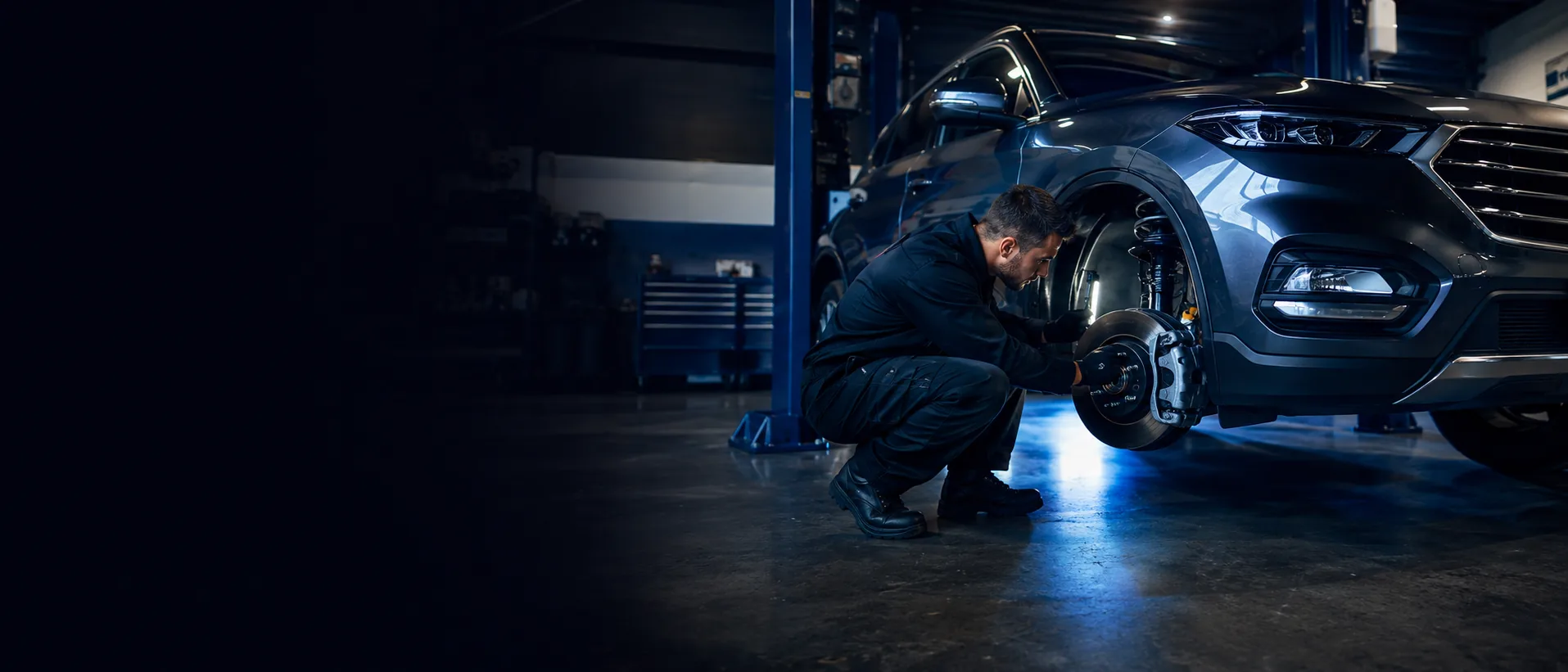
- Arrange an independent mechanical inspection when you need more certainty.
- Test drive on urban streets and, where practical, at higher speed. Listen for abnormal noises and check braking, steering and transmission behaviour.
Complete the Victorian transfer carefully
VicRoads says the buyer must complete the transfer process and retain records. A roadworthy certificate may be required and is valid for 30 days, but VicRoads also notes that roadworthiness does not guarantee mechanical reliability. Keep a dated receipt and copies of relevant documents.
Before paying
Confirm exactly what is included, how any deposit is treated, the handover date and any promises written into the contract. Recheck current requirements with VicRoads, PPSR and Consumer Affairs Victoria before purchase.
Build a Melbourne inspection route
Do not make the first drive a straight run on a smooth arterial road. A useful local route includes a cold start, low-speed turns, speed humps, uneven suburban surfaces, a legal higher-speed section and a parking manoeuvre. This helps reveal visibility, steering, brake, suspension, transmission and cabin-noise behaviour. Test the air conditioning at idle as well as while moving; Melbourne conditions can move from cool mornings to hot afternoons, and a weak system can be expensive to diagnose.
Create a handover pack
Before collection, assemble the contract, dated receipt, PPSR certificate, transfer record, roadworthy certificate where required, both keys, owner manuals and available service invoices. Photograph the odometer and vehicle condition at handover. Confirm in writing any accessories, repairs or promises included in the sale. If a fact matters to your decision, do not rely on a verbal summary.
A practical final pause
Compare the exact vehicle with at least one realistic alternative using the same checklist and first-year cost estimate. A clean presentation should not outweigh inconsistent records, a VIN mismatch or an unresolved mechanical concern.